
AAPI Therapy for Families: How Cultural Connection Supports Healing
Key Takeaways (TL; DR)
For AAPI families, culture shapes everything, making culturally informed therapy foundational to healing. The AAPI community is incredibly diverse, representing over 50 ethnic groups and 100+ languages. Yet, many families share parallel experiences around immigration, cultural identity, and intergenerational expectations. Core AAPI values like collectivism, filial piety, academic achievement, and emotional self-control provide resilience. However, they can also create unique pressures when families struggle to communicate openly about stress or identity.
Despite these challenges, only 25% of Asian Americans with mental illness seek treatment compared to 50% of white adults. This is mainly driven by cultural stigma and a lack of culturally responsive providers. Family therapy creates a neutral space where bicultural tensions can be translated rather than judged. Culturally responsive therapists understand intergenerational trauma, the harmful "model minority" myth, and language nuances that help families. The goal is to promote stronger communication, reduce conflict, and honor cultural roots while navigating modern emotional needs together.
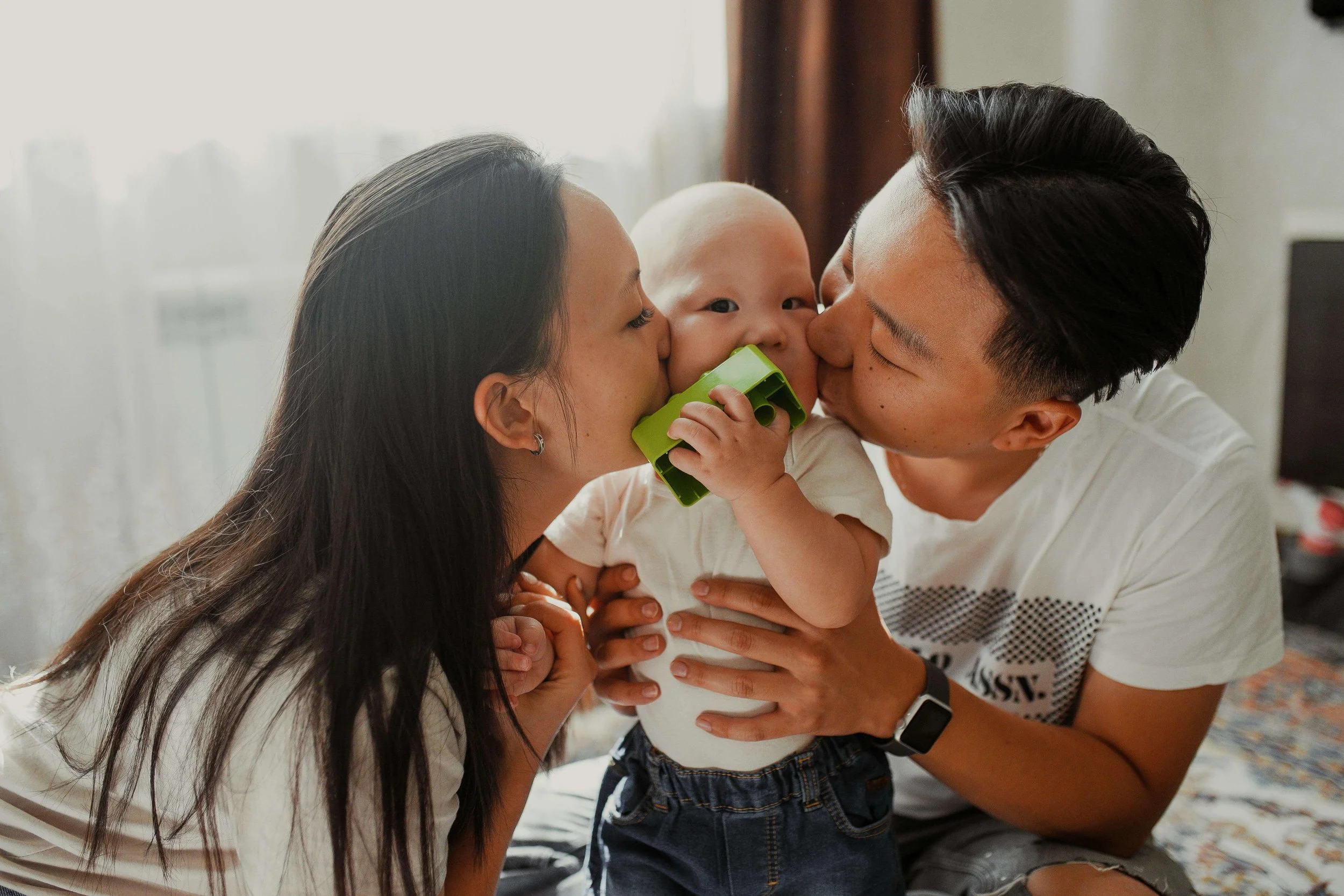
For many families, culture shapes everything—from communication styles and expectations to core values, emotional expression, and family roles. When families seek therapy, feeling understood culturally isn't just a bonus; it can make a foundational difference in the healing process.
The term AAPI stands for Asian American and Pacific Islander. The AAPI community is incredibly diverse, representing over 50 distinct ethnic groups and speaking more than 100 languages. While no two individuals or families are the same, many AAPI families share parallel experiences related to immigration, cultural identity, intergenerational expectations, and balancing multiple cultural worlds.
At Maple Leaf Counseling, we understand that therapy is not one-size-fits-all. Culturally informed therapy helps families feel safer, more connected, and truly understood throughout the counseling process.
Why Does Cultural Understanding Matter in Therapy?
Families often enter therapy carrying not only personal stressors but also deeply rooted cultural experiences that influence how they view mental health, relationships, and vulnerability.
The Nuance of AAPI Cultural Values
In many AAPI households, specific core values are deeply foundational. These values often act as incredible sources of resilience, but they can also introduce unique pressures when family members struggle to communicate openly about stress, anxiety, or identity.
Collectivism over Individualism: Prioritizing the needs, reputation, and harmony of the family unit over individual desires.
Filial Piety and Respect for Elders: High regard for parental authority, elder wisdom, and family hierarchy.
Academic and Professional Achievement: High standards of success, often tied to a deep sense of gratitude for parental sacrifice.
Emotional Self-Control and Privacy: Navigating emotional distress internally or within the family, rather than discussing it publicly.
The Mental Health Disparity
Despite the unique pressures faced by the community, substantial data highlights a significant gap in mental health utilization. According to data from the Substance Abuse and Mental Health Services Administration (SAMHSA), Asian Americans have some of the lowest rates of mental health service utilization of any racial group.
Statistical insights show that only about 25% of Asian American adults with a mental illness receive treatment, compared to roughly 50% of white adults.
This disparity is frequently driven by cultural stigma, language barriers, and a lack of culturally responsive providers. When families do take the courageous step to enter therapy, having a therapist who recognizes these dynamics without judgment is crucial.
Can Therapy Help Bridge Generational Differences?
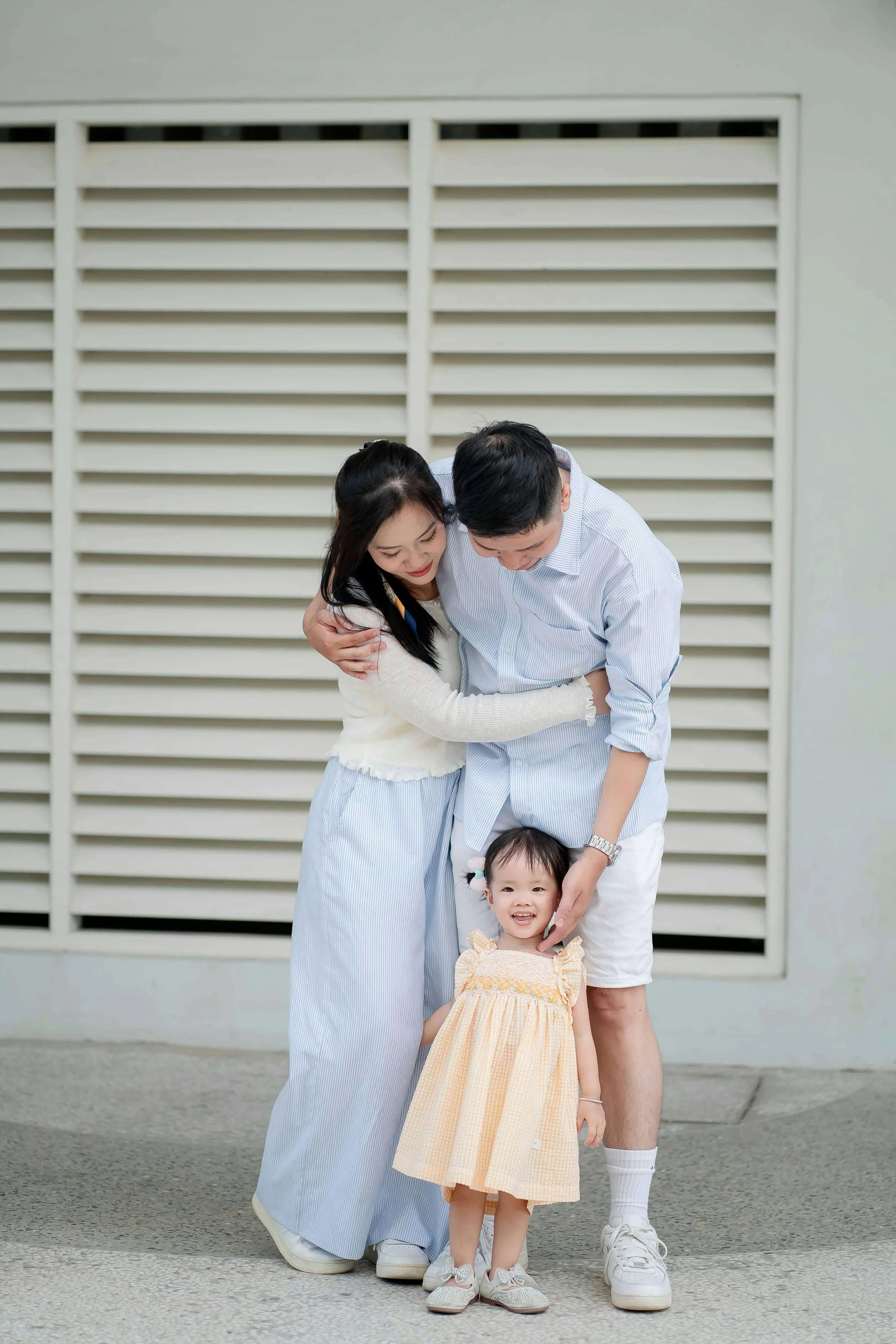
Many AAPI families are balancing two distinct cultural worlds simultaneously. First-generation immigrant parents and grandparents may hold values shaped by their upbringing or survival experiences, while second- or third-generation children and teens navigate life through a Western cultural lens.
This bicultural friction can lead to regular misunderstandings around:
Independence vs. Interdependence: Balancing personal autonomy with family obligations.
Emotional Expression: Navigating the gap between a parent’s implicit "acts of service" love language (like cutting fruit or making sacrifices) and a child's need for explicit verbal affirmation.
Boundaries: Establishing healthy personal space in a culture where rigid boundaries can sometimes be misinterpreted as a rejection of the family.
Traditional/Immigrant Perspective
Focus on family duty and collective honor
Implicit communication (reading between the lines)
Respect for hierarchy and parental authority
Western/Acculturated Perspective
Focus on individual identity and self-actualization
Explicit communication (direct verbal expression)
Collaborative decision-making and egalitarian relationships
Family therapy creates a structured, neutral space where these differing perspectives can be translated rather than judged. The goal is not to choose one culture over another. Instead, therapy helps families honor their rich cultural roots while developing healthier ways to navigate modern stress and emotional needs together.
The Importance of Feeling Seen and Understood
For many clients, working with a clinician who understands their background reduces the exhausting burden of having to "explain everything." Families don't have to spend half their session explaining basic cultural concepts or defending their family's lifestyle.
A culturally responsive therapist understands the nuanced layers of:
Intergenerational Trauma: How historical events, migration stressors, or refugee experiences impact parenting styles decades later.
The "Model Minority" Myth: The damaging stereotype that characterizes Asian Americans as universally successful, compliant, and problem-free, which often masks severe underlying depression, anxiety, and burnout.
Language Nuances: How certain emotional concepts do not translate directly into English, requiring a therapist who understands the idioms of distress unique to specific cultures.
At Maple Leaf Counseling, we value culturally responsive care. Our team includes therapists from diverse backgrounds, including a Mandarin-speaking therapist and a male Korean therapist, allowing us to support a wide range of individuals and families throughout the San Gabriel Valley and surrounding communities.
Seeking Support Is a Strength
In many AAPI languages, a direct translation for "mental health" or "therapy" carries heavy, negative connotations often associated with severe illness or a loss of face. Because of this, seeking therapy can feel unfamiliar or even uncomfortable at first. Some worry that asking for help implies they are weak, ungrateful, or dishonoring their family.
In reality, reaching out for support reflects immense courage, insight, and a profound commitment to the health of the family unit.
Therapy does not mean abandoning your cultural values. Instead, culturally-informed care helps families:
Strengthen cross-generational communication
Reduce chronic household conflict and tension
Process anxiety, depression, and high-achievement burnout
Deepen empathy and family connection
Healing is most effective when you feel safe enough to be fully yourself. If you are ready to explore how therapy can support your family's unique journey, connect with us today. We invite you to reach out by phone at (626) 214-8384 or email us at info@mapleleafcounseling.org to learn more.
AAPI Family Therapy in Arcadia and Claremont, CA
At Maple Leaf Counseling, we provide therapy for children, teens, adults, couples, and families in Arcadia, Claremont, and throughout California via telehealth.
We are committed to offering compassionate, culturally informed care that respects the unique experiences, identities, and values each family brings into the therapy room.
If your family is struggling with communication, stress, anxiety, identity concerns, parenting challenges, or relationship difficulties, therapy can provide a supportive space to begin healing together.

Want to Explore Culturally Sensitive Care? Family Therapy in Arcadia, CA, Offers the Support AAPI Families Need and Deserve
When your AAPI family is struggling with intergenerational conflict or cultural gaps, a culturally responsive therapist can help. You deserve to feel understood without explaining your background. At Maple Leaf Counseling, our team includes therapists from diverse backgrounds who understand your unique experiences as an AAPI family. In-person or online family therapy in Arcadia, CA, can help bridge generational differences while honoring your cultural roots. You don't have to navigate this alone. Here's how to get started:
Take the first step toward culturally informed support. Schedule a free 20-minute consultation to connect with a therapist who understands your family's background.
Work with an experienced AAPI family therapist in Arcadia, CA, who recognizes intergenerational dynamics and the unique pressures your family may face.
Gain meaningful healing through therapy that strengthens cross-generational communication and honors your cultural values.
Other Services Maple Leaf Counseling Provides in Arcadia & Online Across California
When cultural barriers are preventing your AAPI family from seeking help, culturally informed family therapy removes the stigma and creates a safe space for healing. With a therapist who understands your background, you can expect to address communication gaps, reduce family conflict, and build stronger intergenerational connections while honoring your values.
At Maple Leaf Counseling, we offer a comprehensive range of therapy services available online or in-person at our Arcadia and Claremont locations. Beyond family therapy, our practice provides couples counseling, individual therapy for adults, teen therapy, and child therapy. We also specialize in supporting clients navigating anxiety, grief, chronic illness, perinatal concerns, and postpartum adjustment.
To learn more about our story, our team, and the services we offer, visit our mental health blog and FAQ page. You can also stay connected with us on Facebook, Instagram, and LinkedIn for ongoing support and resources. When you're ready to begin your family's healing journey with a therapist who truly understands your culture, we're here for you.
About the Author
Dr. Antoinette Ibrahimi, Psy.D., is a licensed clinical psychologist who brings over 15 years of experience helping individuals, couples, and families navigate relationship challenges, life transitions, chronic illness, and grief. Specializing in culturally informed family therapy, Dr. Ibrahimi uses Family Systems, Differentiation, and Family Dynamics approaches to help AAPI families understand intergenerational tensions, bridge cultural gaps, and strengthen connections while honoring their values and identity.
She earned her B.A. in Psychology from Cal Poly Pomona and her Doctorate in Clinical Psychology from the California School of Professional Psychology. Dr. Ibrahimi's extensive professional background includes nine years in private practice supporting diverse families, five years working with families facing stress at Ronald McDonald House Los Angeles, and teaching positions at USC and CSPP. She has also served as a keynote speaker at the Depression and Bipolar Support Alliance's 23rd Annual Conference, sharing her expertise on mental health, cultural competence, and how therapy can help families heal while maintaining their cultural identity and values.
References
American Psychological Association. (n.d.). Mental health among Asian Americans. American Psychological Association. Retrieved from APA Mental Health Among Asian Americans. This resource discusses cultural values, stigma, and barriers to seeking mental health care among Asian Americans.
American Psychological Association. (n.d.). Recommendations for the treatment of Asian American/Pacific Islander populations. American Psychological Association. Retrieved from APA Treatment Recommendations for Asian Americans and Pacific Islanders. This source addresses cultural values such as family harmony, filial piety, and culturally responsive treatment approaches.
Kim, S. B., et al. (2021). Factors associated with mental health help-seeking among Asian Americans: A systematic review. Retrieved from PMC Systematic Review on Asian American Help-Seeking. This review highlights barriers and facilitators affecting mental health service utilization among Asian American populations.
Park, M., et al. (2023). Correlates of stigma toward mental health service use among Asian Americans. Retrieved from PMC Stigma Toward Mental Health Service Use Among Asian Americans. This study discusses the impact of stigma and cultural factors on accessing mental health services.
Kramer, E. J., Kwong, K., Lee, E., & Chung, H. (2002). Cultural factors influencing the mental health of Asian Americans. Western Journal of Medicine, 176(4), 227–231. Retrieved from Cultural Factors Influencing the Mental Health of Asian Americans. This article explores family reputation, stigma, and cultural influences on mental health.
Hall, G. C. N., Ibaraki, A. Y., Huang, E. R., Marti, C. N., & Stice, E. (2011). A meta-analysis of culturally adapted treatments for Asian Americans. Retrieved from Culturally Competent Treatments for Asian Americans. This research supports the value of culturally responsive mental health interventions.