
Why Are Kids More Anxious Than Ever? Exploring the Rise in Youth Anxiety
Key Takeaways (TL;DR)
Youth anxiety is rising due to multiple factors. Academic pressure tied to self-worth. Constant social media comparison. Increased exposure to world events. Overscheduled lives with little downtime. Even lingering COVID-19 effects. Anxiety doesn't always look like nervousness. It can appear as anger, irritability, perfectionism, school refusal, or physical complaints. Parents can help by normalizing feelings, praising effort over outcomes, and creating time for rest and play. They can also model healthy coping and encourage open communication.
When anxiety interferes with daily life, relationships, academics, or sleep, family therapy in Arcadia can help. Children learn to develop coping skills, understand anxious thoughts, improve emotional regulation, and build confidence. Family therapy also helps parents understand their child's experience and learn effective support strategies. The goal isn't eliminating all anxiety but helping children develop resilience to navigate life's challenges.
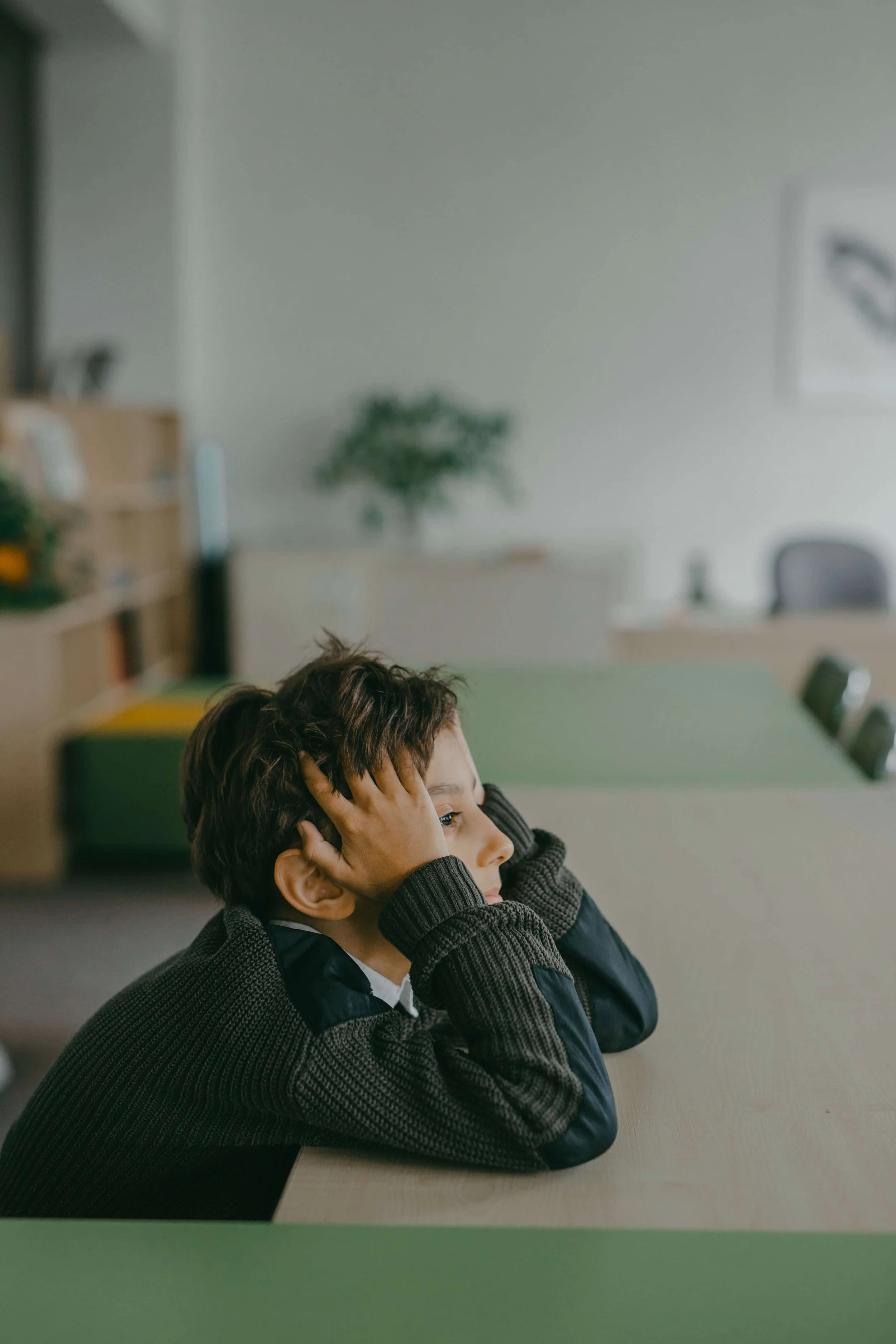
Youth Anxiety is On the Rise
Many parents are asking the same question: Why does it seem like so many kids are anxious today?
While anxiety has always existed, parents, teachers, and mental health professionals are seeing increasing numbers of children and teens struggling with worry, stress, perfectionism, and emotional overwhelm. Some children experience anxiety about school, friendships, or performance, while others worry about safety, health, world events, or making mistakes.
If you're noticing your child seems more stressed than previous generations, you're not imagining it. Youth anxiety has been steadily increasing, and many families are searching for ways to understand and support their children.
Understanding Anxiety in Children and Teens
Anxiety is a normal human emotion. It helps us recognize danger, prepare for challenges, and stay alert when needed. However, when anxiety becomes frequent, intense, or begins interfering with daily life, it can impact a child's emotional well-being, relationships, and functioning.
Children with anxiety may experience:
Excessive worrying
Difficulty sleeping
Frequent stomachaches or headaches
Avoidance of certain situations
Irritability or emotional outbursts
Perfectionism
Difficulty concentrating
Fear of making mistakes
Seeking constant reassurance
Social withdrawal
Anxiety can look different depending on a child's age, personality, and life experiences.
Why Are Anxiety Rates Rising?
There is no single cause for the increase in youth anxiety. Instead, many factors appear to be contributing to the growing mental health challenges facing children and teens.
Academic Pressure and High Expectations
Many children feel pressure to excel academically, participate in extracurricular activities, build impressive resumes, and prepare for future success at increasingly younger ages.
In some families and communities, achievement can become closely tied to self-worth. Children may begin believing that mistakes are failures rather than opportunities to learn.
When children feel that they must always perform at a high level, anxiety often follows.
Social Media and Constant Comparison
Today's children and teens are growing up in a world where comparison is available 24 hours a day.
Social media can expose young people to unrealistic standards regarding appearance, popularity, success, and lifestyle. Even when children understand that social media highlights only the best moments, constant comparison can contribute to feelings of inadequacy and self-doubt.
Many teens report feeling pressure to be constantly connected, responsive, and aware of what others are doing.
Increased Awareness of World Events
Previous generations often learned about major events through newspapers or evening news broadcasts. Today's children have access to a constant stream of information through phones, tablets, social media, and television.

Children may become aware of:
Natural disasters
Violence
Political conflict
Economic uncertainty
Health concerns
Climate-related issues
Without proper support and context, exposure to these events can increase feelings of fear and uncertainty.
Overscheduled Lives
Many children have very little unstructured time.
Between school, sports, tutoring, extracurricular activities, homework, and social commitments, some children move from one responsibility to the next with little opportunity to simply rest, play, or recharge.
Downtime is not wasted time. It is an important part of emotional regulation, creativity, and resilience.
The Lasting Impact of COVID-19
Many children experienced significant disruptions during the pandemic, including social isolation, changes in routine, academic challenges, and increased uncertainty.
While life has largely returned to normal, some children continue to experience lingering effects, including social anxiety, school-related stress, and difficulty managing transitions.
What Are Signs Your Child May Be Struggling?
Parents are often surprised to learn that anxiety does not always look like nervousness.
Sometimes anxiety appears as:
Anger
Irritability
Perfectionism
School refusal
Frequent complaints of physical symptoms
Difficulty separating from parents
Emotional shutdown
Excessive reassurance-seeking
Children are not always able to identify or communicate what they are feeling. Instead, anxiety often shows up through behavior.
How Can Parents Help?
While parents cannot eliminate all stress from their child's life, they can help create an environment where children feel supported and capable.
Helpful strategies include:
Normalize Feelings
Let children know that feeling worried, nervous, or overwhelmed is a normal part of being human.
Instead of immediately trying to eliminate anxiety, help children understand that emotions can be managed and tolerated.
Focus on Effort Over Outcome
Praise persistence, problem-solving, and growth rather than only achievements or results.
Children who learn that mistakes are part of learning often develop greater resilience and confidence.
Create Opportunities for Rest
Children need time to play, relax, and simply be kids.
Healthy development requires a balance between achievement and recovery.
Model Healthy Coping
Children learn by watching the adults around them.
Parents who demonstrate healthy stress management, emotional expression, and self-care provide powerful examples for their children.
Encourage Open Communication
Create regular opportunities for conversation without judgment or immediate problem-solving.
Sometimes children need to feel heard before they are ready to accept guidance.
When to Seek Professional Support
If anxiety is interfering with your child's daily life, relationships, academic functioning, sleep, or overall well-being, therapy can help.
A family therapist can help children and teens:
Develop coping skills
Understand anxious thoughts
Improve emotional regulation
Build confidence
Strengthen communication
Learn healthy ways to manage stress
Family therapy can also help parents better understand their child's experience and learn effective ways to provide support.
Supporting Anxious Kids With Compassion: Final Thoughts From a Family Therapist in Arcadia
The goal is not to raise children who never experience anxiety. Rather, the goal is to help children develop the skills and confidence to navigate life's challenges.
When children feel supported, understood, and equipped with healthy coping strategies, they are better able to manage stress and build resilience for the future.
At Maple Leaf Counseling, we provide therapy for children, teens, and families in Arcadia, Claremont, and throughout California via telehealth. If your child is struggling with anxiety, stress, perfectionism, or emotional overwhelm, our team is here to help.

Ready to Get Support for Your Anxious Child? Family Therapy in Arcadia, CA, Can Help
If your child's anxiety is interfering with daily life, therapy can help. You don't have to figure this out alone. In-person or online family therapy in Arcadia, CA, offers expert support to help your child develop coping skills and build confidence. At Maple Leaf Counseling, we help anxious children understand their thoughts and emotions. We also help parents learn effective ways to provide support so families navigate this challenging season together. You deserve professional guidance. Here's how to get started:
Schedule a free 20-minute consultation online, by phone, or by email.
Work with an experienced family therapist in Arcadia, CA, who specializes in childhood anxiety.
Learn tools to help your child manage worry, build resilience, and thrive emotionally.
Other Services Maple Leaf Counseling Offers in Arcadia, Claremont, & Throughout California
When your child's anxiety is affecting their ability to function, family therapy creates a supportive environment for healing. You can expect your child to develop coping skills, understand their anxious thoughts, and build confidence. Our goal is for your whole famiy lto learn healthy ways to manage stress together.
At Maple Leaf Counseling, we offer many therapy services that support the family as a whole, or asd individuals. Sessions are available in-person at our Arcadia and Claremont locations, or online throughout California.
Beyond family therapy, we provide individual therapy to help adults work through their challenges and couples counseling to support parents navigating their own stress. We also provide teen counseling and child therapy to address anxiety and other concerns in youth. We also help those struggling mainly with anxiety, grief, chronic illness, and perinatal and postpartum concerns. Whatever your family is facing, our experienced team of clinicians is here to help. Your child doesn't have to struggle alone. We're here to help your family find peace and resilience.
Want to learn more? We invite you to explore our history, visit our mental health blog, and gain helpful insight on our FAQ page. You can also connect with us on Facebook, Instagram, and LinkedIn for resources and ongoing support.
About the Author
Dr. Antoinette Ibrahimi, Psy.D., is a licensed clinical psychologist with over 15 years of experience. She helps individuals, couples, and families navigate emotional challenges, life transitions, and mental health concerns. Specializing in family therapy and childhood anxiety, Dr. Ibrahimi uses Family Systems, Differentiation, and Family Dynamics approaches to help anxious children understand their worry and build confidence while teaching parents effective support strategies. She earned her B.A. in Psychology from Cal Poly Pomona and her Doctorate in Clinical Psychology from the California School of Professional Psychology.
Dr. Ibrahimi's extensive professional background includes nine years in private practice supporting families with anxiety and emotional challenges, five years working with families at Ronald McDonald House Los Angeles, and teaching positions at USC and CSPP. She has also served as a keynote speaker at the Depression and Bipolar Support Alliance's 23rd Annual Conference, where she shared her expertise on mental health, anxiety in youth, and how families can foster resilience and emotional well-being.
Scholarly References
Racine, N., McArthur, B. A., Cooke, J. E., Eirich, R., Zhu, J., & Madigan, S. (2021). Global prevalence of depressive and anxiety symptoms in children and adolescents during COVID-19: A meta-analysis. JAMA Pediatrics, 175(11), 1142–1150. Retrieved from: https://pubmed.ncbi.nlm.nih.gov/34369987/
Twenge, J. M. (2020). Increases in depression, self-harm, and suicide among U.S. adolescents after 2012 and links to technology use. Psychiatric Research and Clinical Practice, 2(1), 19–25. Retrieved from: https://pubmed.ncbi.nlm.nih.gov/36101887/
Muris, P., Merckelbach, H., Ollendick, T., King, N., & Bogie, N. (2002). Three traditional and three new childhood anxiety questionnaires: Their reliability and validity in a normal adolescent sample. Behaviour Research and Therapy, 40(7), 753–772. Retrieved from: https://pubmed.ncbi.nlm.nih.gov/12074371/
U.S. Surgeon General. (2021). Protecting Youth Mental Health: The U.S. Surgeon General's Advisory. Retrieved from: U.S. Surgeon General Youth Mental Health Advisory