
Restraint Collapse: Why Your Child Melts Down After School
Key Takeaways (TL; DR)
After-school restraint collapse describes the emotional and behavioral meltdowns some children experience after spending the school day managing expectations, emotions, and sensory demands. A child who appears calm and cooperative at school may become overwhelmed, irritable, or withdrawn at home because their ability to cope has been depleted. Parents can help by providing food, quiet time, predictable routines, and calm support while maintaining appropriate boundaries. When meltdowns are frequent, intense, or interfere with daily life, family therapy can help identify underlying needs and develop effective coping strategies.
What Can Restraint Collapse Look Like in Children?
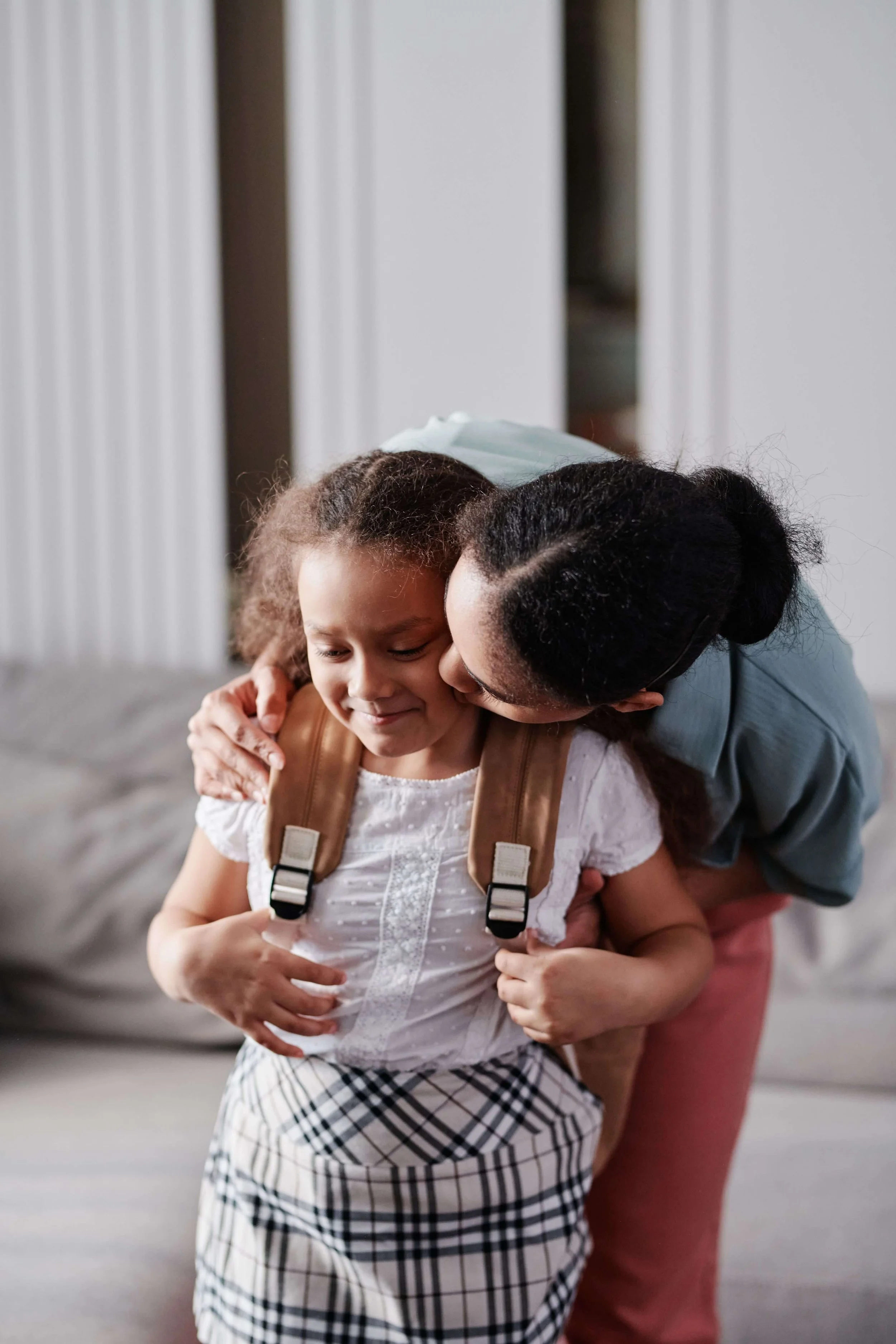
Your child's teacher says they had a wonderful day. They followed directions, completed their work, and played appropriately with classmates. Then they get into the car or walk through the front door and seem to fall apart. They may cry, yell, argue, hit a sibling, refuse simple requests, or become overwhelmed by something as small as the wrong snack.
This sharp contrast can leave parents confused. If a child can manage at school, why can't they manage at home?
One possible explanation is often called after-school restraint collapse. It is not a formal mental health diagnosis. It is a descriptive term for the emotional and behavioral release that can happen after a child spends hours working hard to meet expectations, manage feelings, tolerate sensory input, and control impulses.
The behavior still needs boundaries, especially when safety is involved. However, understanding what may be underneath it helps parents respond more effectively than simply labeling the child defiant, manipulative, or badly behaved.
Why Do Children Hold It Together at School?
A school day contains more demands than adults sometimes realize. Children must transition between activities, follow different adults' instructions, share space and materials, navigate friendships, complete academic tasks, sit still, manage disappointment, and process constant noise and movement. Even enjoyable school days require sustained attention and self-control.
Some children spend additional energy monitoring how they appear to others. They may suppress tears, movement, questions, frustration, sensory discomfort, or the urge to escape. Neurodivergent children, including some children with autism or ADHD, may also camouflage or mask traits to fit classroom expectations. Research on autistic students suggests that camouflaging can be associated with exhaustion and anxiety.
By dismissal, a child may have very little regulatory capacity left. Home is often the place where the effort stops. This does not necessarily mean the child has consciously decided to behave better for teachers than for parents. It may mean they no longer have the internal resources to keep containing everything.
Signs of After-School Restraint Collapse
After-school dysregulation does not look the same in every child. It may include:
Crying, screaming, arguing, or irritability
Aggression toward siblings or caregivers
Refusing ordinary requests
Extreme reactions to small disappointments
Hyperactivity, impulsivity, or loud behavior
Withdrawing, becoming unusually quiet, or wanting to be alone
Complaints of headaches, stomachaches, or exhaustion
Intense hunger or difficulty deciding what to eat
These behaviors can begin immediately after pickup or emerge later in the afternoon. Some children recover quickly after food and quiet time. Others need much longer to return to their usual baseline.
Look for the Need Beneath the Behavior
Restraint collapse is often influenced by several factors rather than a single cause. Hunger, dehydration, insufficient sleep, sensory overload, academic frustration, school anxiety, social anxiety, bullying, learning differences, and demanding transitions can all reduce a child's ability to cope.
Instead of beginning with "How do I stop this behavior?" try asking, "What is making regulation so difficult at this time of day?"
Track patterns for a week or two. Notice whether meltdowns are worse on certain school days, after particular classes, during weeks with less sleep, or when the child has not eaten enough. Patterns can reveal needs that a child cannot yet explain.

Build a Gentler Transition Home
Many children benefit from a predictable period of decompression before they are expected to talk, complete homework, or help with chores.
Start by meeting basic physical needs. Offer water and a familiar snack with protein and carbohydrates. Keep the choices limited so an exhausted child does not have to make another complicated decision.
Reduce questions during the first few minutes after school. Even friendly questions such as "How was your day?" can feel like another demand. Try a warm greeting instead: "I'm happy to see you. You do not have to tell me about your day yet."
Consider what helps your particular child regulate. One child may need movement, such as jumping, biking, swinging, or running outside. Another may need dim lighting, quiet, music, a bath, drawing, or time alone. Sensory needs are individual, so observe what leaves your child calmer rather than assuming one strategy works for everyone.
It also helps to keep the routine consistent: arrive home, place belongings in one spot, have a snack, decompress, and then move to the next responsibility. Predictability reduces the number of decisions and transitions a tired brain must manage.
Regulate First, Discuss Later
During a meltdown, lengthy explanations and consequences are unlikely to teach the intended lesson. A highly stressed child may have limited access to reasoning, language, and problem-solving skills.
To help them cope with the stress, begin with safety and co-regulation. Lower your voice, use fewer words, and reduce stimulation. You might say, "You are having a hard time. I will help you stay safe," or "I will not let you hit. We can talk when your body is calmer."
Calm support does not mean allowing harmful behavior. It means holding the boundary without adding unnecessary intensity.
Once the child is regulated, briefly reconnect and problem-solve. Avoid forcing an immediate apology or detailed explanation. Later, you might ask, "What felt hardest after school?" or "What could we try tomorrow when your body feels that full?" This helps the child build awareness without shame.
Work With the School
A child who appears calm at school may still be struggling. Share what you observe at home without assuming the school has done something wrong. Ask about transitions, lunch intake, peer interactions, noise, task difficulty, and the effort required to stay focused.
Possible school supports include movement breaks, visual schedules, access to a quieter space, sensory tools, reduced copying or writing demands, check-ins with a trusted adult, or adjustments during difficult transitions.
If the pattern is frequent or severe, request a more formal conversation about whether the child needs evaluation, accommodations, or additional support.
When Should You Seek Professional Help?
Occasional after-school irritability is common. Consider consulting a pediatrician or mental health professional when meltdowns:
Are intense or occur most days
Last for extended periods
Involve aggression, destruction, or self-injury
Significantly interfere with family functioning
Occur alongside school refusal, sleep problems, regression, or persistent physical complaints
Are accompanied by anxiety, sadness, withdrawal, or major mood changes
A professional child and family therapist can help determine whether the behavior reflects stress, anxiety, ADHD, autism, a learning difficulty, sensory needs, bullying, sleep disruption, or another concern.
The goal is not to attach a label to every hard afternoon. It is to understand what the child's behavior is communicating.
Your Child Is Not Giving You Their "Worst"
It can be painful when everyone else seems to receive your child's cooperation while you receive the tears and anger. Try to remember that behavior after school may reflect depleted capacity rather than a lack of respect or love.
Your child still needs limits, accountability, and opportunities to build coping skills. They also need recovery, connection, and an adult who can look beyond the behavior.
When parents shift from "Why are you doing this?" to "What happened inside you today?" they create the conditions in which regulation can gradually grow.
Support for Your Child and Family is Available
If after-school meltdowns are frequent, intense, or affecting your family's well-being, you don't have to navigate them alone. At Maple Leaf Counseling, our child and family therapy services can help children and parents better understand emotional challenges, develop coping skills, and strengthen communication.
Schedule a free consultation. Connect with us to discuss your child's after-school meltdowns and the challenges your family is experiencing.
Explore the right type of support. Learn whether child therapy or family therapy may be appropriate for your family's needs.
Develop strategies for moving forward. Work with an experienced therapist to better understand your child's emotional needs and build coping skills, communication, and supportive routines.
Other Services Maple Leaf Counseling Provides in Arcadia, Claremont, and Across California
When children experience frequent emotional or behavioral challenges, additional support may benefit both the child and the family. At Maple Leaf Counseling, we offer child therapy to help children develop emotional regulation skills, manage difficult feelings, and build healthy coping strategies.
Our family therapy services help parents and children strengthen communication, navigate challenging behaviors, and develop more supportive family relationships. For older children and adolescents experiencing school-related stress, anxiety, or emotional difficulties, teen therapy provides age-appropriate support.
We offer in-person therapy in Arcadia and Claremont, and online therapy throughout California. Contact us today to book a consultation, or explore our blog, FAQs, and practice history to learn more before getting in touch.
About the Author
Dr. Antoinette Ibrahimi, Psy.D., is a licensed clinical psychologist with more than 15 years of experience supporting clients through difficult life transitions, relationship concerns, grief, chronic illness, and emotional challenges. Her work with Family Systems, Differentiation, and Family Dynamics provides insight into how stress and emotional experiences can affect the entire family. This perspective is especially valuable when helping parents understand why children may struggle with emotional regulation after a demanding school day. Through family therapy, Dr. Ibrahimi helps families strengthen communication, better understand one another's emotional needs, and develop supportive ways of responding to challenging behaviors.
Dr. Ibrahimi earned her Doctorate in Clinical Psychology from the California School of Professional Psychology after completing her B.A. in Psychology at Cal Poly Pomona. Her background includes nine years in private practice and five years at Ronald McDonald House Los Angeles. She has also served as a lecturer at USC and CSPP and was a keynote speaker at the Depression and Bipolar Support Alliance's 23rd Annual Conference. Dr. Ibrahimi has appeared several times on The McNance Method podcast, discussing group practice leadership, expansion, and creating therapeutic environments that support each client's unique mental health journey.
References
American Academy of Pediatrics. (2024). Why kids act out: Tips to help your child cope with stress. HealthyChildren.org. https://www.healthychildren.org/English/healthy-living/emotional-wellness/Building-Resilience/Pages/why-kids-act-out-tips-to-help-your-child-cope-with-stress.aspx
American Academy of Pediatrics. (2023). Creating calm: How to talk with your child when they're stressed. HealthyChildren.org. https://www.healthychildren.org/English/healthy-living/emotional-wellness/Building-Resilience/Pages/creating-calm-how-to-talk-with-your-child-when-theyre-stressed.aspx
Cook, A., Ogden, J., & Winstone, N. (2018). Friendship motivations, challenges and the role of masking for girls with autism in contrasting school settings. European Journal of Special Needs Education, 33(3), 302–315. https://doi.org/10.1080/08856257.2017.1312797
Halsall, J., Clarke, C., & Crane, L. (2021). "Camouflaging" by adolescent autistic girls who attend both mainstream and specialist resource classes: Perspectives of girls, their mothers and their educators. Autism, 25(7), 2074–2086. https://pmc.ncbi.nlm.nih.gov/articles/PMC8419293/
U.S. Centers for Disease Control and Prevention. (2026). Sleep and health. https://www.cdc.gov/healthy-schools/sleep/index.html