
Key Takeaways (TL; DR)
Some children adjust well during the first few weeks of school but begin struggling as academic demands, social pressures, and fatigue increase. When the back-to-school honeymoon period ends, school anxiety may appear as stomachaches, irritability, school avoidance, or changes in behavior. Parents can help by validating their child's feelings, maintaining predictable routines, communicating with teachers, and providing consistent support at home. When anxiety persists or interferes with daily life, a pediatrician or child and family therapist can help parents understand what's happening and determine whether additional support is needed.
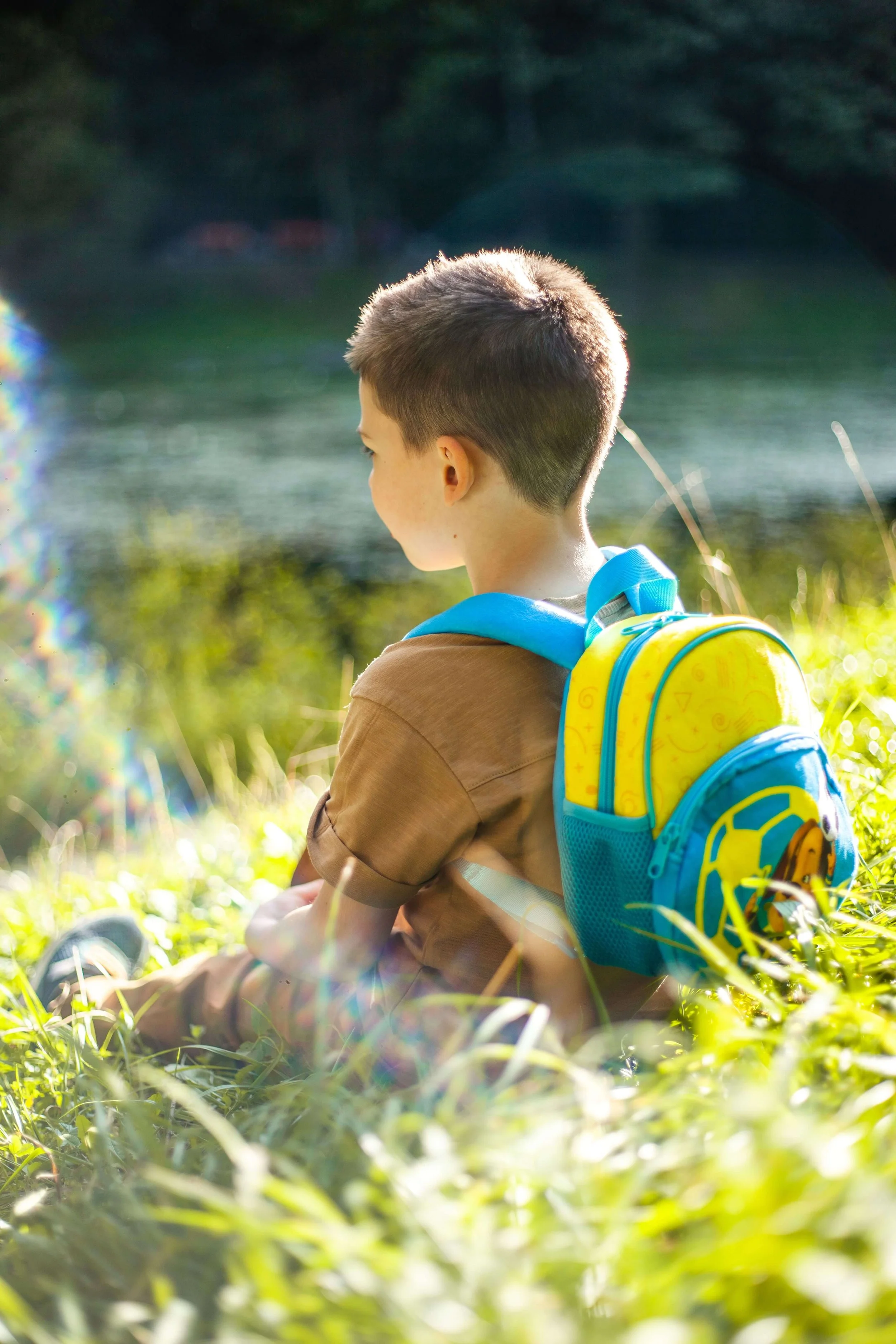
When School Anxiety Appears After a Good Start
As a family therapist in Arcadia, CA, I hear a version of the same story every fall. The first weeks of back-to-school felt almost magical. A child who chose a new backpack with such care bounced out of the car on day one. Now that same child dreads the morning, complaining of a stomachache at 7:15 like clockwork. For parents, this shift can feel like the floor quietly giving way, and it's natural to wonder what you missed.
Please hear this: you didn't miss anything. The back-to-school honeymoon period is a familiar experience for many families, and the shift that follows can be difficult. What often follows is strong emotions about school, such as school anxiety. With the right support, it’s something your family can move through together. Here's what to watch for, what to say, and when family therapy can help.
What Is the Back-to-School Honeymoon Period, and Why Does It End?
The honeymoon period often lasts for the first few weeks of the school year. During that window, kids run on novelty: new teachers, reunited friends, fresh supplies, and a healthy dose of adrenaline. Then, around late September or early October, the excitement begins to fade just as the real demands arrive. First tests and quizzes land on the calendar. Progress reports go home. Homework piles up, friend groups quietly reshuffle, and the sleep debt from early alarms finally catches up.
Any one of these changes is manageable on its own. Together, they can tip a child from excited to overwhelmed almost overnight. If your family is feeling this dip right now, you are not alone, and it is not a sign of failure. This isn't because something is wrong with your child or your parenting. It's because growing into a new year asks a great deal of a young nervous system.
What Does School Anxiety Look Like at Different Ages?
School anxiety rarely announces itself by name. Instead, it tends to speak through the body and through behavior, and its language shifts as children grow. In elementary school, anxiety often looks physical. Sunday night stomachaches, headaches before the bus, tearful clinging at drop-off, and big meltdowns right after pickup are all common. That last one even has a name: "after-school restraint collapse."
Kids hold it together all day in the classroom, then let everything go at home with the people who feel safest. As painful as it is to witness, it may reflect how comfortable children feel letting their guard down at home. Middle schoolers tend to carry anxiety socially. A child may suddenly avoid the lunchroom, back out of activities they once loved, or check group chats constantly. At this age, belonging can feel like a matter of survival.
For High Schoolers, Anxiety Frequently Hides Behind Achievement
Perfectionism, studying past midnight, irritability whenever grades come up, and a reflexive "I'm fine" are all worth noticing. In high-achieving communities like Arcadia, many teens describe what feels like an "everything counts" trap, where every assignment seems to carry the weight of their entire future. Under that kind of pressure, a single B can feel like a crisis, and rest can start to feel like falling behind.
How Can Parents Tell the Difference Between Normal Adjustment and Something More?
Some worry is a healthy part of facing new challenges. To tell whether your child's distress has moved beyond typical adjustment, I encourage parents to gently consider four questions. The first is duration: has it lasted more than two to three weeks without easing? Next is intensity: does the distress seem out of proportion to the situation? Then consider interference: is it leading to missed school days, slipping grades, or changes in sleep and appetite? Finally, look at the spread: is the worry showing up on weekends and holidays, too?
One or two of these signs mean it's time to lean in and pay closer attention. When several appear together, that is a strong signal to reach out to the school, your pediatrician, or a mental health professional.
What Should Parents Say When a Child Doesn't Want to Go to School?
Mornings are often where school anxiety hits hardest, and where parents feel most torn. The approach I recommend is simple: validate, then expect. Acknowledge the feeling, and calmly hold the plan. It might sound like this: "I can tell your stomach feels tight this morning. You're still going to school, and I'll be right here at pickup."
Why not let them stay home? Avoidance brings quick relief, but each missed day tends to make the next one feel taller and harder to climb. Over time, the anxiety grows while the child's confidence shrinks. Gently keeping the routine teaches them something powerful: they can feel nervous and still get through the day.
That being said, if your child reports bullying, feels unsafe at school, or experiences persistent physical symptoms, it's important to investigate those concerns and involve the school or your pediatrician.
A Few Practical Shifts Can Soften the Morning Rush

Pack the backpack and choose clothes the night before so there are fewer decisions at 7 a.m. Create a consistent, brief goodbye ritual at drop-off, such as a special handshake or a phrase you always say. Some kids also find comfort in a small "anchor" tucked into their backpack, like a note from you or a family photo.
After school, resist the urge to ask "How was your day?" the moment they climb into the car. Offer a snack and some quiet time first. Kids usually open up once their nervous systems have had a chance to land somewhere safe. Bedtime, when the house is quiet and the lights are low, is often when the real conversation finally begins.
How Can Parents Stay on the Same Page Without Losing Themselves?
Here is something we don't talk about enough: these mornings are exhausting for parents, too. Many carry a quiet grief for the easy start they hoped for, along with guilt that they somehow caused the struggle. Those feelings deserve room. In my work with families, I often see a predictable pattern when a child is anxious.
One parent leans into comfort, offering reassurance and maybe a day off. The other leans into pushing forward, insisting the child needs to toughen up. Both instincts come from love. When they pull in opposite directions, though, a child can feel unsure of where the ground is, and the anxiety often intensifies.
Two Ways Parents Can Stay Aligned
Agree on the morning script together the night before, so both parents use the same words and the same plan. Then decide in advance which parent handles drop-off on hard days. Think of it as a relay rather than a solo race. When parents become a safe harbor for each other, they can be a steadier one for their child.
When Should Parents Contact the School?
If a pattern has held for about two weeks, it's a good time to reach out. Teachers see a side of your child that parents don't, and their observations can fill in important gaps. A short email works well: "I've noticed [child's name] has been anxious about school lately. I'd love to know what you're seeing in class."
The school counselor can also be a valuable ally. When anxiety significantly affects a child's ability to learn or attend school, parents can ask whether their child may qualify for accommodations under a 504 plan. These plans provide accommodations like a quiet space to reset, short breaks during the day, or extended time on tests.
When Is It Time for Family Therapy?
Professional support is worth considering when school refusal continues despite your efforts. Panic attacks and physical complaints that persist without a medical cause are important signs to take seriously, too. Family therapy can also help when siblings are being affected or when parents find themselves arguing about how to respond. Any talk of self-harm calls for immediate support. In those moments, contact your child's doctor or call or text the 988 Suicide and Crisis Lifeline.
A family therapist will look at the whole family system rather than placing the problem on one child. Together, we build gradual, manageable steps back toward school and gently untangle what keeps the anxiety going. Parents also learn practical tools to coach their child at home, so the growth continues well beyond the therapy room.
Final Thoughts From an Arcadia Family Therapist
The end of the back-to-school honeymoon is not a sign that something has broken. Struggle is part of how children grow into new demands. What helps most is having steady, connected adults beside them. Each morning you hold the plan with warmth, you're teaching your child that they can feel scared and still do hard things. That lesson will carry them long after this school year ends.
If you feel stuck, remember that you don't have to find your way through this alone. You and your child deserve to feel supported, understood, and connected again. Reach out to Maple Leaf Counseling by phone or text at (626) 214-8384 or by email at info@mapleleafcounseling.org.

Help Your Child Feel Steady Again. A Family Therapist in Arcadia, CA, Can Provide Support.
When your child is struggling with school anxiety, knowing how to help can feel overwhelming, especially when every morning starts with tears or stomachaches. Family therapy can help you understand what your child is experiencing, ease tension at home, and create routines that make school days feel more manageable for everyone.
At Maple Leaf Counseling, each family therapist on our team supports families as they navigate the emotional ups and downs of the school year. Parents can learn how to validate their child's worries while calmly holding steady expectations. Kids can have a safe space to express what feels hard about school. Together, your family and your family therapist can strengthen communication and build confidence one small step at a time.
You don't have to navigate this season alone. Here's how to begin:
Schedule a free 20-minute consultation to learn how working with a family therapist can support your child through school anxiety.
Meet with an experienced family therapist in Arcadia, CA, who can help your family understand what's driving the anxiety and work together toward calmer mornings.
Build practical skills with your family therapist for easing morning struggles, coordinating as parents, communicating with your child's school, and helping your child feel more confident in the classroom.
Back-to-school struggles don't have to define the year. With family therapy, your family can build resilience and restore calm together.
Other Services Maple Leaf Counseling Provides in Arcadia, Claremont, and Across California
When back-to-school struggles turn into ongoing school anxiety, the stress can ripple through the entire family. Family therapy can help parents and children understand what's driving the anxiety, communicate more openly, and work together to make mornings, homework, and school days feel more manageable.
At Maple Leaf Counseling, we understand that families may need different types of care as children grow and school demands change. Our therapists provide a warm, supportive environment where clients can work through emotional concerns and strengthen important relationships. Services are available in person at our Arcadia office, Claremont office, and through online therapy across California.
In addition to family therapy, we offer children's counseling and teen therapy to support kids experiencing school anxiety, social stress, perfectionism, and other emotional challenges. Individual therapy for adults can give parents space to process their own worry, guilt, and exhaustion. We also provide couples counseling for partners who want to get on the same page and support one another through demanding school seasons. Additional services are available for clients navigating grief, chronic illness, anxiety, and perinatal or postpartum mental health concerns.
To learn more about our practice and therapeutic approach, explore our mental health blog and FAQ page. You can also read the story behind Maple Leaf Counseling to become more familiar with our team and history. Whenever your family is ready for support, our therapists are here to help your child build confidence at school and bring more calm and connection to your home.
About the Author
Dr. Antoinette Ibrahimi, Psy.D., is a licensed clinical psychologist with more than 15 years of experience supporting clients through difficult life transitions, relationship concerns, grief, chronic illness, and emotional challenges. Her work with Family Systems, Differentiation, and Family Dynamics provides insight into how one child's struggles at school can ripple through the entire family. This perspective is especially valuable when parents are supporting a child through school anxiety and the stress it brings into daily routines. Through family therapy, Dr. Ibrahimi helps families strengthen communication, stay aligned as parents, and create a home environment where children feel safe, supported, and confident.
Dr. Ibrahimi earned her Doctorate in Clinical Psychology from the California School of Professional Psychology after completing her B.A. in Psychology at Cal Poly Pomona. Her background includes nine years in private practice and five years at Ronald McDonald House Los Angeles. She has also served as a lecturer at USC and CSPP and was a keynote speaker at the Depression and Bipolar Support Alliance's 23rd Annual Conference. Dr. Ibrahimi has appeared several times on The McCance Method podcast, discussing group practice leadership, expansion, and creating therapeutic environments that support each client's unique mental health journey.
References
Virginia Tech. Navigating Back-to-School Emotions.
American Academy of Pediatrics. School Avoidance: Tips for Concerned Parents.
U.S. Department of Education. Section 504 Protections for Students With Anxiety Disorders.