
Do Parenting Disagreements Affect Child Behavior? Important Insight For Couples
Key Takeaways (TL; DR)
Parenting disagreements are normal, but unresolved conflict can negatively impact child behavior. Children are keen observers and can feel emotional insecurity and anxiety when parents clash. They thrive on consistency; mixed messages can lead to defiance and difficulties with self-regulation. The key is not to eliminate disagreements but to manage them constructively.
Couples should aim to present a united front, agree on core values, practice active listening, and focus on problem-solving over blame. Healthy conflict resolution models valuable skills for children and fosters a supportive environment. Prioritizing the parents’ relationship and seeking couples therapy when needed can enhance familial harmony and support children's well-being.

Every couple knows the scene: clashing over bedtimes, snacks, or screen rules. These rifts are natural; you’re two distinct people shaping a third. Yet, it raises a vital question: do these ripples of friction, however small, reshape your child’s behavior?
The short answer is YES.
Silent Observers: Kids Notice More Than You Think
Kids are sharp observers, even when lost in play. They constantly scan for safety and stability, mapping out how the world works. Frequent, unresolved tension between parents disrupts this, replacing security with a sense of unpredictability.
Psychologists have identified several ways these disagreements can impact children:
Emotional Insecurity
When parents clash, children feel the "ground" become shaky. This instability often manifests as anxiety, clinginess, or a quiet unease as they begin to question the safety of the family unit.
Behavioral Problems
Children thrive on consistency and clear boundaries. When parents give mixed messages ("Mom says yes, Dad says no," or "The rule is X, but sometimes it's Y"), children learn that rules are negotiable. This inconsistency often leads to:
Increased defiance and tantrums: They test boundaries to figure out what's real.
Parent vs Parent: They learn to seek out the more lenient parent in situations.
Difficulty with self-regulation: Without clear external limits, internal self-control can be harder to develop.
Modeling Conflict Resolution (or Lack Thereof)
Children learn how to handle conflict by watching their parents. Frequently observing parents arguing destructively, with yelling, stonewalling, or personal attacks, they are more likely to adopt similar unhealthy conflict styles in their own relationships later in life. Alternatively, if they see parents respectfully disagree and resolve issues, they learn valuable social skills.
Internalizing Problems
Some children may internalize the stress they are experiencing, leading to problems like:
Withdrawal
Sadness or depression
Difficulty concentrating in school
Physical symptoms like headaches or stomachaches

It's Not That You Disagree, But How You Disagree
This is the critical insight. It’s impossible and unhealthy for parents to agree on absolutely everything. The problem isn't the disagreement itself; it's the style and frequency of unresolved, hostile conflict that causes harm.
High-conflict parenting disagreements are characterized by:
Hostility, yelling, or contempt
Lack of resolution
Children being drawn into the conflict or feeling they have to take sides (triangulation)
Criticism of the other parent in front of the child.
These are a few of the most detrimental.
Insight for Couples: Strategies for Harmonious Parenting
The good news is that understanding this impact empowers you to make positive changes. Here are a few things you can learn to do in couples therapy for parents:
Present a United Front (Even If You Disagree Privately)
Try your best to discuss and resolve parenting issues when your children are not present. If a decision needs to be made on the spot and you differ, one parent can say, "Let me discuss this with Dad/Mom, and we'll let you know." This teaches children that decisions are made thoughtfully and together.
Agree on Core Values and Non-Negotiables
Sit down and talk about the fundamental principles you both want to instill in your children (kindness, respect, honesty). Also, identify the non-negotiable rules (safety, politeness, non-violent). Having this shared foundation reduces many daily conflicts.
Practice Constructive Conflict Resolution Between Each Other
Listen Actively to Your Partner’s Perspective
Instead of just waiting for your turn to speak (or building your counter-argument in your head), try to truly hear their "why." Use verbal nods like, "So what I'm hearing is that you're worried about the routine, is that right?" This lowers defenses and makes your partner feel seen rather than attacked.
Use "I" Statements Instead of Accusatory "You" Statements
When we start a sentence with "You always..." or "You never...", the other person's brain automatically goes into "fight or flight" mode. Shift the focus to your own experience. Instead of, "You’re too soft on him," try, "I feel frustrated when the rules aren't consistent."
Focus on the Problem, Not the Person
Keep the "villain" of the story the situation, not your spouse. If the issue is a messy room, discuss the clutter, not your partner's supposed laziness. When you separate the person from the behavior, it’s easier to work together as a team against the problem.
Seek Compromise Rather Than "Winning"
In a marriage, if one person wins an argument, the relationship loses. Look for the "third way": a compromise that may not be exactly what either of you planned but meets the core needs of both. Ask, "What part of this is most important to you, and where can I meet you in the middle?"
Apologize When Appropriate
A generic "sorry" can feel dismissive. A clear apology acknowledges the specific impact of your actions: "I’m sorry I raised my voice earlier; I was stressed, and that’s no excuse for being disrespectful." This shows your child (and your partner) that taking responsibility is a strength, not a weakness.
Model "Healthy Friction" for Your Children
You don't always have to hide your disagreements. When kids see a healthy debate that ends in a hug, a handshake, or a calm "let's try your way," they learn that disagreement is not a threat. You are giving them a visual blueprint for how to handle their own future friendships and romances with kindness.
Prioritize Your Couple Relationship
A strong, loving partnership creates a secure base for your children. Investing time in your relationship through date nights, shared hobbies, and open communication can reduce overall tension and create a more harmonious parenting dynamic.
Seek Outside Support if Needed
If you’re frequently locked in high-conflict disagreements you can't resolve, consider seeking a family or couples therapist. They can provide tools and strategies for healthier communication and co-parenting.
Encouraging Words From a Couples Therapist in Arcadia, CA
Conflict is certain, but harm to children isn't. By consciously shifting how you navigate your differences, you not only foster better behavior in your children but also model invaluable life skills in communication and respect. Investing in your parenting partnership is one of the most powerful ways to support your child's emotional well-being and development.
Contact our team at Maple Leaf Counseling today for compassionate parent and relationship support. Call or text us at (626) 214-8384 or email us at info@mapleleafcounseling.org to learn more.
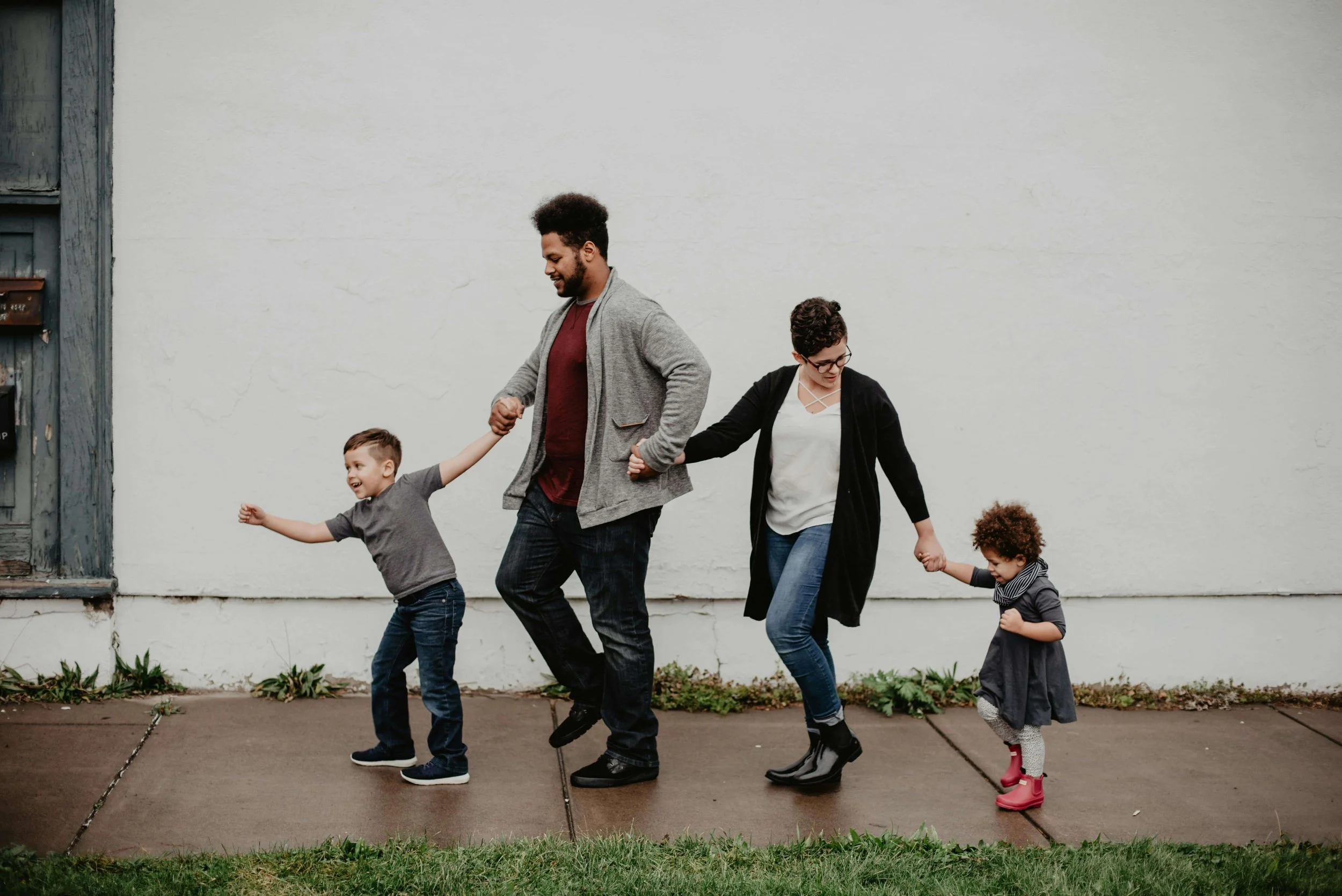
Create a United Parenting Approach Through Couples Therapy in Arcadia
When parenting disagreements are creating conflict in your relationship and affecting your child's behavior, couples therapy can help you and your partner find common ground and work as a team. By strengthening your partnership, you create the stable, consistent environment your child needs to thrive emotionally and behaviorally.
If you're caught in cycles of parenting disputes and notice the impact on your children, in-person or online couples therapy at Maple Leaf Counseling provides the guidance you need. We help couples align their parenting approaches, improve communication around child-rearing decisions, and build a stronger foundation of mutual respect and understanding.
You don't have to navigate parenting conflicts alone or watch them continue to affect your family. Here's how to begin creating positive change:
Take the first step toward becoming a unified parenting team. Schedule a free 20-minute consultation online, by phone, or by email to discover how couples therapy can support your family.
Collaborate with an experienced couples therapist in Arcadia, CA, who understands how parenting disagreements impact both your relationship and your children.
Learn practical skills through therapy to communicate effectively about parenting, resolve conflicts constructively, and foster a harmonious home environment for your entire family.
Other Services With Maple Leaf Counseling in Arcadia, California
When parenting disagreements are causing ongoing conflict and affecting your children's well-being, couples therapy offers a path toward alignment, understanding, and peace. Through compassionate therapeutic guidance, you can expect to develop consistent co-parenting strategies, improve relationship communication, and create a more stable, nurturing environment for your entire family.
At Maple Leaf Counseling, we offer a comprehensive range of therapy services available online or in-person at our Arcadia and Claremont locations. Beyond couples therapy, we provide child therapy, teen therapy, and individual counseling for adults addressing their own mental health concerns. Our practice also specializes in supporting clients through grief, chronic illness, and perinatal and postpartum challenges.
To explore more about our story, our dedicated team, and the services we provide, visit our mental health blog and FAQ page for valuable insights and resources. You can also stay connected with us on Facebook, Instagram, and LinkedIn for updates and support. When you're ready to take the next step toward a healthier relationship and family dynamic, we're here to guide you.
About the Author
Courtney Hine, Psy.D., is a psychologist who specializes in helping couples, parents, and families navigate relationship challenges and life transitions with greater understanding and connection. With advanced training in psychology and child and adolescent behavior, she brings valuable insight into how parenting disagreements impact both couple dynamics and child behavior, a core focus of her work with families.
Practicing from a psychodynamic perspective, Dr. Hine helps clients recognize how past experiences shape current relationship patterns, enabling couples to break unhelpful cycles and communicate more effectively. Her clinical expertise spans work with children, teens, adults, and couples, from play therapy with young children to guiding parents and partners through conflict resolution and co-parenting alignment. Grounded in the belief that trust and vulnerability are foundational to healing, Courtney creates strong therapeutic relationships that support lasting insight, growth, and family well-being across issues including anxiety, depression, ADHD, and complex family dynamics.